Datacenter vs Residential IPs
If you’ve ever checked an IP address using a lookup tool, you’ve probably seen labels like datacenter IP or residential IP. For many people, those tags feel abstract — they sound technical, but it’s not obvious why they exist or why websites seem to care about them. Yet behind the scenes, this distinction plays a real role in how internet traffic is interpreted, filtered, and sometimes restricted.
This article explains the difference between datacenter and residential IP addresses from a practical, engineering-oriented perspective. The goal is not to tell you how to use them, but to explain why the internet treats them differently, and where the limits of that distinction lie.
What Do “Datacenter” and “Residential” Actually Mean?
At a high level, the difference comes down to where an IP address originates and who operates the network behind it.
A datacenter IP is an address allocated to infrastructure hosted in professional data centers. These IPs belong to cloud providers, hosting companies, and server operators. They are used by virtual machines, web servers, APIs, and backend systems. The defining trait is not speed or power, but ownership: the IP block is registered to an organization whose primary role is hosting or infrastructure.
A residential IP, by contrast, is assigned by an Internet Service Provider (ISP) to consumer connections. These are the IPs used by home broadband, small offices, and mobile users. They sit inside address ranges that ISPs allocate to end users as part of regular internet access.
Importantly, this distinction is not about what you are doing online. It’s about how the address is categorized at the network level.
How the Internet Knows the Difference
From an engineering standpoint, websites don’t “guess” whether an IP is residential or datacenter. They infer it using public routing and registration data.
Each IP range on the internet is announced by a network operator and associated with an Autonomous System (AS). Over time, large patterns emerge:
- Cloud providers and hosting companies operate ASNs clearly associated with server infrastructure.
- Consumer ISPs operate ASNs that primarily serve end-user connections.
By correlating IP ranges with these ASNs and historical usage patterns, services can label traffic as likely originating from a datacenter or a residential network.
This classification is probabilistic, not absolute. It works well at scale, but it is never perfect — a point that matters later.
Why Datacenter IPs Are Treated Differently
From the perspective of an online service, datacenter IPs have certain characteristics that stand out:
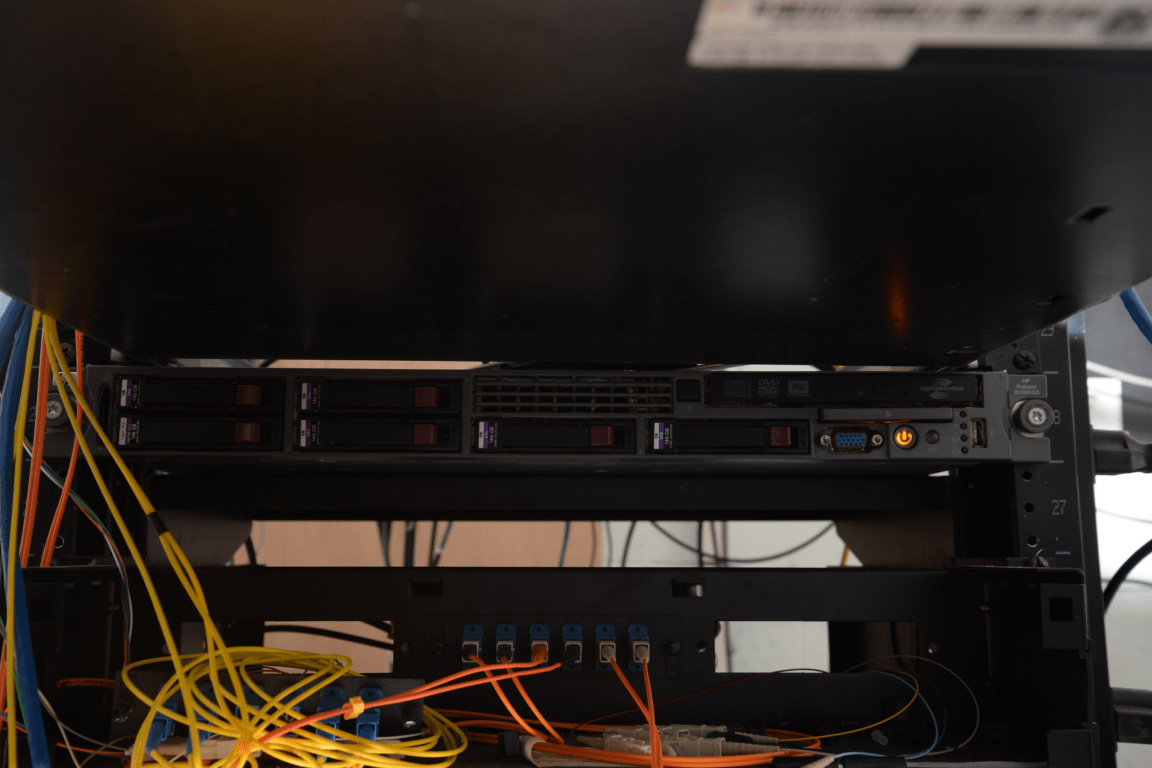
- They are easy to obtain in large quantities.
- They can generate high volumes of automated traffic.
- They are commonly used by backend systems rather than humans.
None of these are inherently bad. Datacenter IPs are essential to how the modern internet works. However, the same properties that make them useful for infrastructure also make them attractive for automation, scraping, and abuse at scale.
As a result, many services apply stricter controls to traffic coming from known datacenter ranges. This can include additional verification steps, rate limits, or outright access restrictions for certain features.
This is not a moral judgment — it is a risk management decision based on patterns observed over time.
Why Residential IPs Tend to Be Trusted More
Residential IPs represent ordinary user connections. Historically, they have been associated with:
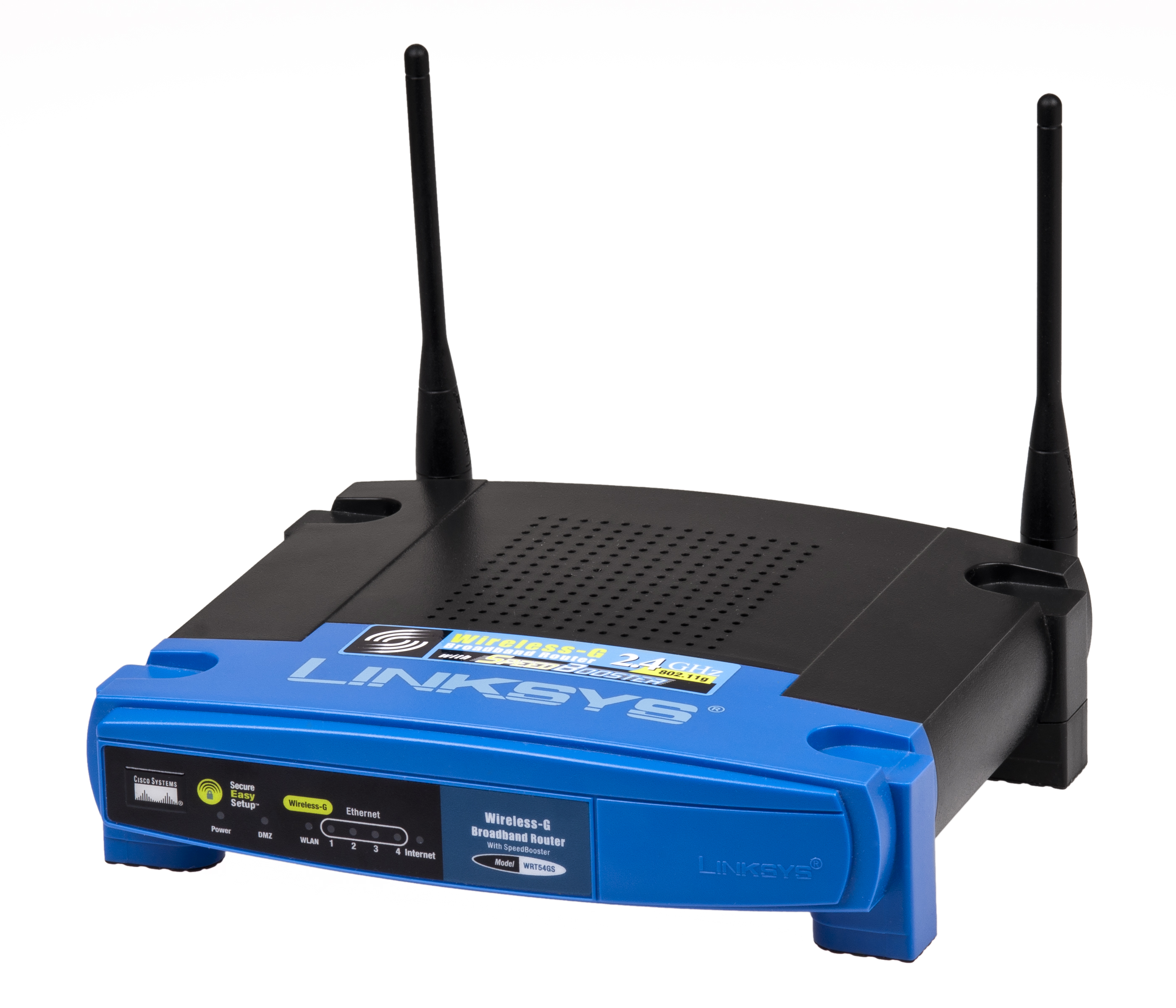
- Lower request volumes
- Human-driven activity
- Geographically consistent usage
Because they are tied to ISP customer networks, residential IPs are harder to mass-produce and rotate quickly. That alone makes large-scale automation more expensive and less reliable.
For this reason, many systems implicitly assign lower baseline risk to residential IP traffic. This does not mean residential IPs are “safe” or “good,” only that statistically they behave more like genuine user activity.
Again, this is about patterns, not guarantees.
Practical Implications in Real Systems
From an engineering or security standpoint, the datacenter vs residential distinction shows up in several real-world scenarios:
- Traffic analysis: When analyzing logs, a spike of requests from a single datacenter ASN often looks different from distributed residential traffic.
- Abuse prevention: Systems may combine IP type with other signals to decide when to apply additional checks.
- Service reliability: Some services restrict access from datacenter IPs to protect consumer-facing features from automated misuse.
- Diagnostics: When users report access issues, knowing whether traffic originates from a datacenter or residential network can explain inconsistent behavior.
What matters is that IP type is rarely used alone. It is one signal among many.
Common Misunderstandings
“Datacenter IPs are bad, residential IPs are good”
This is a simplification that doesn’t hold up. Datacenter IPs power most of the internet’s critical infrastructure. Residential IPs can still be sources of abuse. The classification is about context, not intent.
“Residential IP means a real person”
Not necessarily. While residential IPs are assigned to consumer connections, that doesn’t guarantee a human is actively using the device at a given moment.
“IP type determines access”
In most modern systems, IP type influences decisions but does not dictate them outright. Blocking solely based on IP category is a blunt and often problematic approach.
Limitations of IP Type Classification
The biggest limitation is accuracy.
- Some residential-looking IPs are actually part of proxy or shared access systems.
- Some datacenter IPs are used by legitimate remote desktops or enterprise users.
- IP ownership and routing change over time.
Because of this, treating IP type as a definitive truth leads to false positives and false negatives. Well-designed systems treat it as contextual metadata, not as an enforcement trigger by itself.
Disclaimer
IP classification information is derived from public routing data and historical network patterns. While generally reliable at scale, it is not guaranteed to be accurate for individual cases. Datacenter vs residential labels should be used for informational and analytical purposes only and should not be relied upon as the sole basis for access control, enforcement, or decision-making.
Conclusion
The difference between datacenter and residential IPs is not about users versus machines, or good versus bad actors. It is about network context.
Datacenter IPs reflect infrastructure designed for scale and automation. Residential IPs reflect access designed for everyday users. The internet treats them differently because, statistically, they behave differently — not because one is inherently superior.
Understanding this distinction helps demystify why certain connections are treated with more scrutiny than others. It also highlights an important truth of modern networking: most decisions are based on probabilities, not certainties. IP type is one small but meaningful piece of that puzzle.